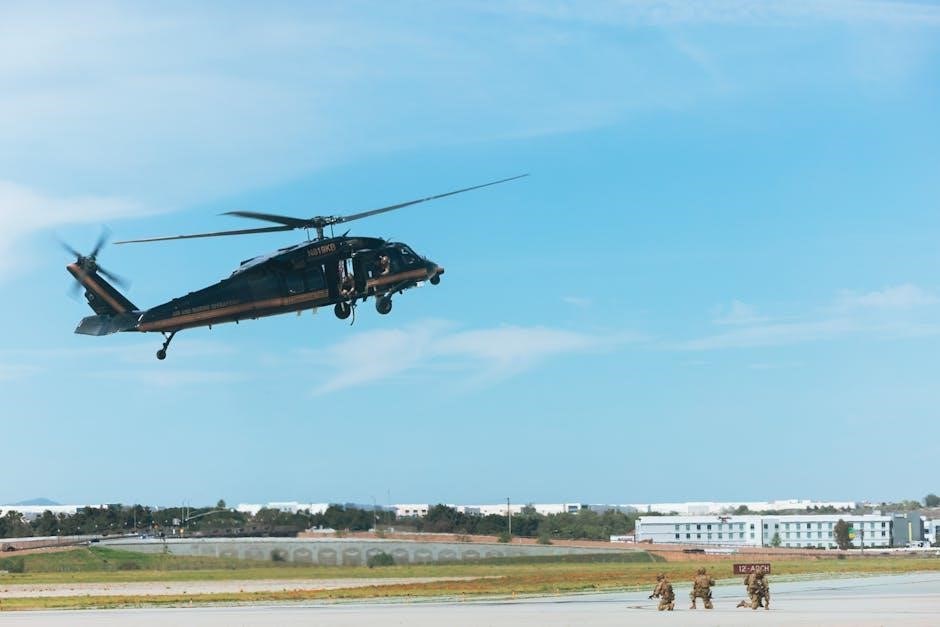
Russian Military Helicopters: Kamov – A Comprehensive Overview
Kamov helicopter documentation, including Ka-26 and Ka-32 manuals, is available online, often in PDF format, aiding maintenance and operational readiness.
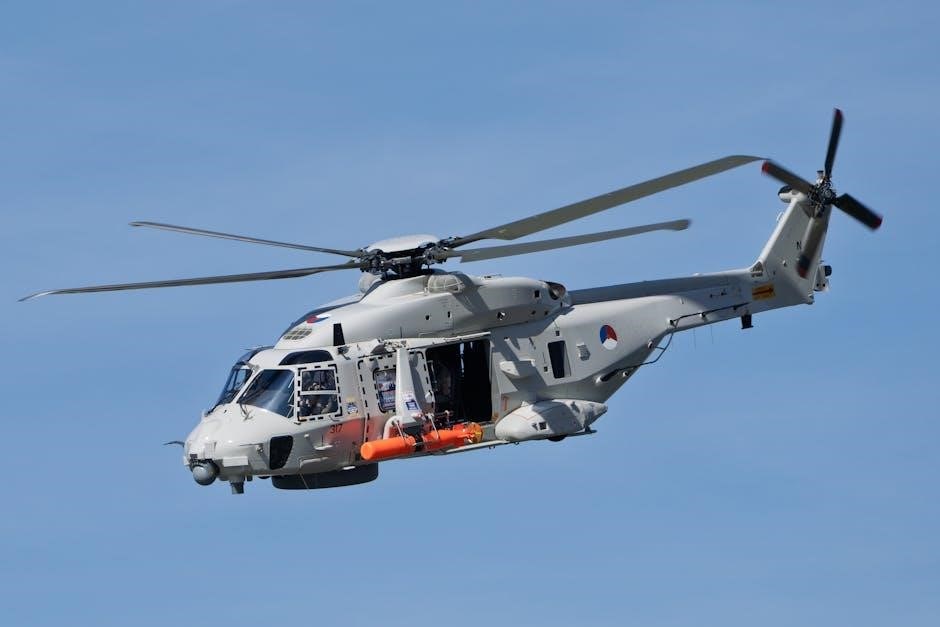
Kamov, a prominent Russian helicopter design bureau, distinguishes itself through innovative coaxial rotor systems, offering unique flight characteristics and maneuverability. Access to technical documentation, including Ka-26 and Ka-32 helicopter manuals in PDF format, is increasingly available online, though often in the Russian language.
These resources are crucial for maintenance personnel and operators globally. The bureau’s designs prioritize stability and payload capacity, leading to versatile applications ranging from civilian transport to specialized military roles. Obtaining and understanding these manuals – covering operational guides and detailed maintenance procedures – is paramount for ensuring the safe and efficient operation of Kamov helicopters. Digital downloads provide instant access to vital information.
Historical Development of Kamov Design Bureau
Founded in 1948 by Nikolai Kamov, the design bureau initially focused on rotorcraft for naval applications, pioneering unique designs. Early efforts led to innovative helicopter concepts, notably utilizing coaxial rotors – a defining characteristic. Accessing historical technical documentation, including potentially digitized Ka-26 manuals in PDF format, provides insight into this evolution.
The bureau’s progression involved continuous refinement of its coaxial system, enhancing stability and payload capabilities. While comprehensive historical archives are often limited in English, scattered resources and translated excerpts offer glimpses into the bureau’s development. Understanding this history is vital when interpreting modern Kamov helicopter designs and associated maintenance PDFs.
Kamov’s Unique Coaxial Rotor System
Kamov helicopters are distinguished by their coaxial rotor system, featuring two counter-rotating rotors mounted on a single mast. This configuration eliminates the need for a tail rotor, increasing lift capacity and maneuverability. Detailed schematics and operational explanations are sometimes found within digitized technical manuals, potentially available as PDFs.
The coaxial design cancels out torque, enhancing stability, crucial for precision operations. While complete engineering PDFs are rare publicly, fragments within maintenance guides for models like the Ka-26 illustrate the system’s complexity. Understanding this system is key to interpreting any Kamov helicopter documentation and performing effective maintenance.
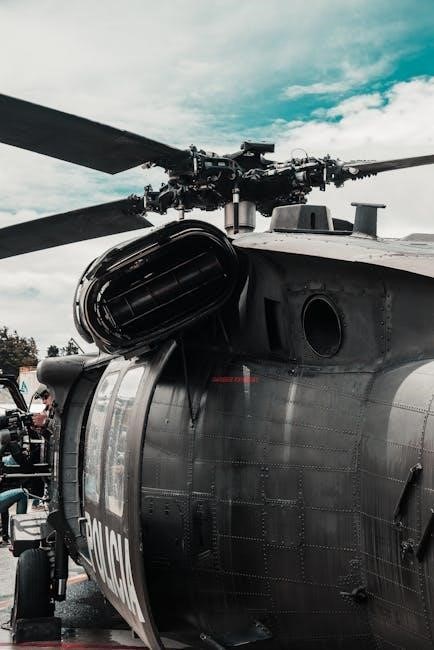
Key Kamov Helicopter Models
Kamov produced diverse helicopters like the Ka-26, Ka-32, Ka-50, and Ka-52; technical PDFs detailing each model’s specifics are sought after.
Kamov Ka-26: Early Utility Helicopter
The Kamov Ka-26, a pioneering coaxial rotor helicopter, emerged as a versatile utility platform in the Soviet era. Finding comprehensive technical documentation, particularly in English, proves challenging, though Russian-language manuals exist. These PDFs detail the aircraft’s construction, maintenance procedures, and operational guidelines.
The Ka-26’s design prioritized simplicity and reliability, making it suitable for diverse roles. Available documentation often includes detailed schematics of the piston engines (M-14V-26), rotor systems, and control mechanisms. Payload management information, emphasizing center of gravity considerations, is also present in these manuals. Accessing these resources is crucial for restoration projects and historical research, offering insights into early Soviet helicopter technology.
Technical Specifications of the Ka-26
Ka-26 technical PDFs reveal key specifications: a crew of two, passenger capacity of six, and powered by two M-14V-26 piston engines. These manuals detail engine ratings and performance characteristics. Rotor systems feature coaxial, counter-rotating three-bladed designs, enhancing stability.
Documentation outlines dimensions, weight (empty and maximum takeoff), and performance data like maximum speed and range. Detailed diagrams illustrate the aircraft’s structure and systems. Payload capacity is specified, alongside center of gravity limitations. Accessing these PDFs provides crucial data for engineers, historians, and aviation enthusiasts seeking a thorough understanding of the Ka-26’s engineering.
Operational Use and Roles of the Ka-26
Ka-26 operational manuals, often found as PDFs, detail its versatile roles. Initially designed as a utility helicopter, it served in various civilian and military capacities. Documentation highlights its use for personnel transport, cargo lifting, and agricultural applications.
Military applications included liaison duties, observation, and training. The coaxial rotor system allowed for stable hovering, beneficial for precision tasks. PDFs showcase its adaptability to diverse environments. Though superseded by newer models, the Ka-26 remains significant in aviation history. Accessing these manuals provides insight into its practical deployment and operational limitations.
Kamov Ka-32: Specialized Civilian and Military Applications
Ka-32 helicopter manuals, frequently available as PDFs, illustrate its unique capabilities. This coaxial rotorcraft excels in specialized roles beyond standard transport. Civilian applications include logging, firefighting, and search & rescue operations, detailed within technical documentation.
Military adaptations encompass mine countermeasures and anti-submarine warfare. The Ka-32’s heavy-lift capacity, outlined in operational guides, is crucial for these tasks. PDFs reveal modifications for specific missions, enhancing its versatility. Its robust design and stable platform make it ideal for challenging environments, as evidenced by available maintenance manuals.
Ka-32 Series Variants and Modifications
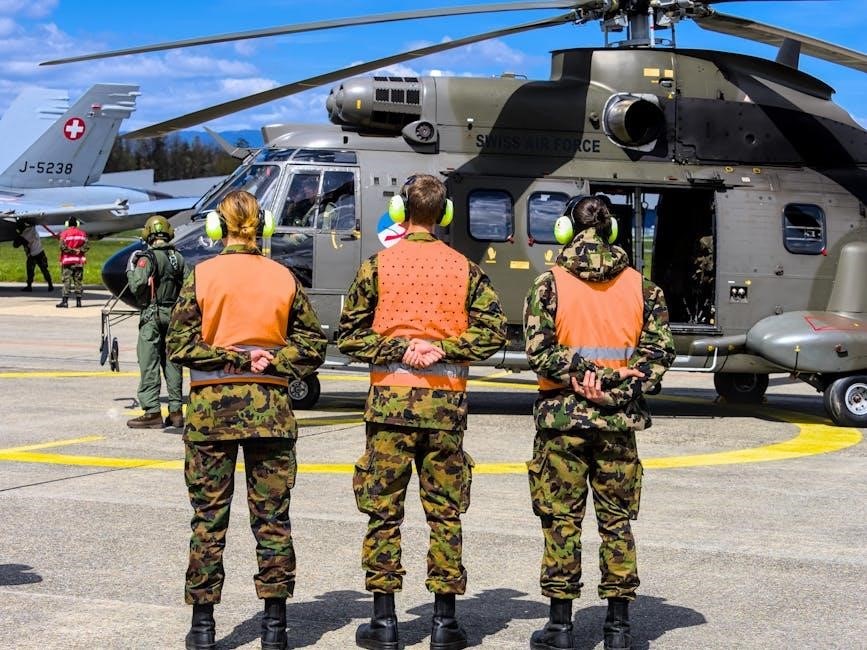
Ka-32 series documentation, often found as downloadable PDFs, details numerous variants tailored for specific needs. The Ka-32A, a baseline model, evolved into specialized versions like the Ka-32T for heavy cargo transport. Further modifications include the Ka-32M, equipped for maritime patrol and search & rescue.
Technical manuals outline upgrades to avionics, engines, and rotor systems. These PDFs showcase adaptations for firefighting, featuring specialized water-carrying equipment. Military versions incorporate radar and sonar systems, detailed in operational guides. Accessing these PDFs provides insight into the extensive customization options available for the Ka-32 platform.
Heavy-Lift Capabilities and Applications
Ka-32 helicopter technical PDFs highlight its exceptional heavy-lift capacity, crucial for diverse applications. Manuals detail payload configurations, emphasizing the coaxial rotor system’s stability during external load operations. These documents showcase its use in logging, construction, and disaster relief, transporting substantial cargo to remote locations.
Operational guides illustrate precise load handling procedures, ensuring safety and efficiency. PDFs also cover specialized equipment for transporting oversized objects. The Ka-32’s center of gravity management, detailed in technical data sheets, optimizes lift performance. Accessing these resources reveals its versatility in demanding logistical scenarios.
Kamov Ka-50 “Black Shark”: Single-Seat Attack Helicopter
Available Ka-50 documentation, often found as PDF files, details the unique challenges of a single-seat attack helicopter. Manuals outline the advanced avionics and weapon systems, emphasizing pilot workload management. Technical specifications highlight the robust design intended for frontline combat roles, showcasing its formidable firepower.
PDFs cover maintenance procedures for the complex rotor system and engine components. Operational guides detail tactical employment strategies, maximizing the Ka-50’s effectiveness. Accessing these resources reveals the innovative features designed to enhance survivability and lethality on the battlefield, a truly groundbreaking design.
Advanced Features and Weaponry of the Ka-50
PDF documentation reveals the Ka-50’s sophisticated weaponry, including the 30mm cannon and various anti-tank guided missiles. Manuals detail the integration of these systems with the advanced targeting and fire-control systems. Technical data showcases the helicopter’s ability to engage multiple targets simultaneously.
PDFs also illustrate the innovative defensive systems, designed to counter threats. Operational guides explain the optimal employment of these features in diverse combat scenarios. Accessing these resources highlights the Ka-50’s advanced capabilities, making it a formidable attack platform, a testament to Russian engineering prowess.
Ejection System and Pilot Safety
Kamov Ka-50 PDFs extensively document its unique ejection system – a critical safety feature absent in most helicopters. Manuals detail the system’s operation, including the rocket-assisted ejection seat and parachute deployment sequence. Diagrams illustrate the process, ensuring pilot survival even in catastrophic failures.
These documents emphasize the system’s reliability and effectiveness, a core design philosophy. Operational guides outline pre-flight checks and emergency procedures related to the ejection system. Accessing these PDFs reveals a commitment to pilot safety, showcasing the Ka-50’s advanced engineering and prioritizing crew survivability in combat situations.
Kamov Ka-52 “Alligator”: Two-Seat Attack Helicopter
Detailed Ka-52 “Alligator” documentation, often found as PDFs, highlights improvements over the Ka-50, notably the tandem seating arrangement for enhanced crew coordination. Manuals outline the benefits of this configuration for mission effectiveness and reduced pilot workload.
These PDFs cover the helicopter’s advanced avionics, weapon systems, and operational procedures. Technical data sheets detail performance characteristics and specifications. Accessing these resources provides insight into the “Alligator’s” capabilities and its role in modern warfare, showcasing its design evolution and combat potential. The documentation emphasizes its enhanced survivability and firepower.
Improvements over the Ka-50
Ka-52 “Alligator” PDFs detail significant advancements over the Ka-50 “Black Shark,” primarily the introduction of a tandem cockpit configuration. This allows for improved crew cooperation and workload distribution, enhancing mission effectiveness. Manuals illustrate the benefits of this two-seat design for complex combat scenarios.
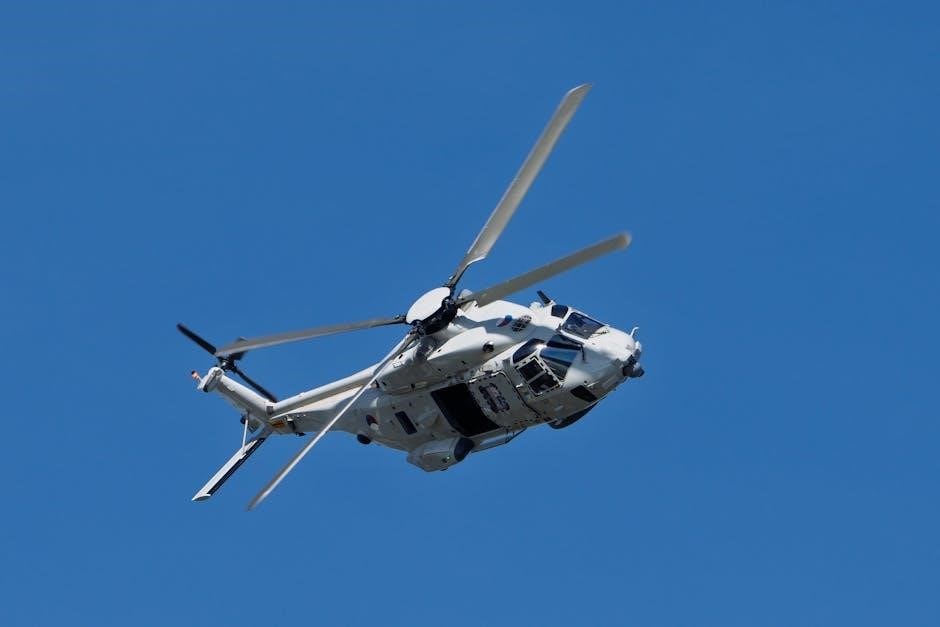
Further enhancements documented in available PDFs include an upgraded avionics suite, improved weapon systems integration, and enhanced defensive capabilities. These changes contribute to increased survivability and firepower. Technical documentation highlights the “Alligator’s” superior situational awareness and targeting precision compared to its predecessor.
Combat Deployments and Performance
Available Ka-52 “Alligator” PDFs detail its deployments in various conflicts, including Syria, where it demonstrated effective performance in supporting ground troops and engaging enemy targets. Reports within the documentation showcase its capabilities in complex operational environments.
These PDFs also highlight the helicopter’s robust performance characteristics, including its maneuverability, firepower, and resilience; Analysis of combat data, often found within these manuals, suggests a high degree of operational reliability. The “Alligator’s” ability to operate effectively in adverse weather conditions is also frequently noted in performance assessments.
Kamov Helicopters in Modern Warfare
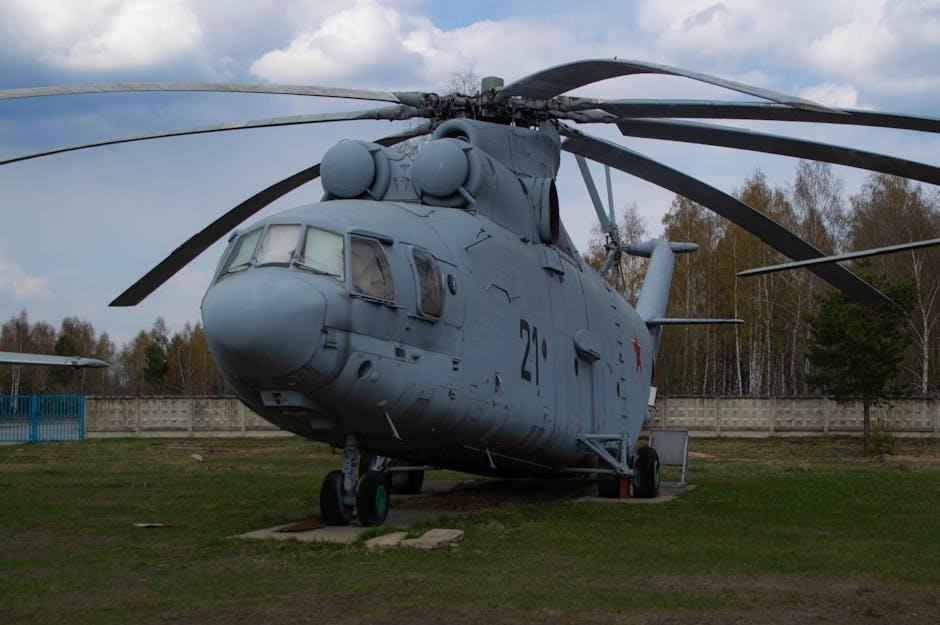
Kamov helicopter PDFs reveal export success and ongoing technological advancements, impacting modern warfare strategies with designs like the Ka-52 “Alligator”.
Export and International Operators
Kamov helicopters, while primarily serving within the Russian military, have seen moderate export success, with operational deployments across several international partners. Accessing detailed technical PDFs, like those for the Ka-32, reveals insights into adaptation for diverse climates and operational needs.
Several nations have utilized Kamov designs for specialized roles, including civilian applications like firefighting and search & rescue, alongside limited military deployments. The availability of maintenance manuals, even in Russian, assists international operators in sustaining operational readiness. While comprehensive data on all export clients remains limited, publicly available PDFs suggest interest from countries seeking unique coaxial rotor capabilities. These documents highlight the challenges and benefits of integrating Kamov technology into foreign military structures.
Technological Advancements in Kamov Designs
Kamov’s core innovation – the coaxial rotor system – continues to evolve, documented in available technical PDFs like those pertaining to the Ka-50 and Ka-52. These documents detail advancements in rotor blade design, materials science, and vibration reduction techniques.
Recent designs emphasize enhanced aerodynamic efficiency and increased payload capacity. Digital access to maintenance manuals reveals sophisticated avionics integration and weapon systems. The Ka-32’s civilian adaptations demonstrate advancements in flight control systems for precision operations. Studying these PDFs highlights Kamov’s focus on pilot workload reduction and improved survivability. Further innovation centers on composite materials and modular design, enhancing adaptability and reducing lifecycle costs, as evidenced in available documentation.
Future Kamov Helicopter Projects
While detailed project specifics remain largely confidential, analysis of available technical PDFs and industry reports suggests Kamov is exploring next-generation rotorcraft. These potential models likely build upon the coaxial rotor system, focusing on unmanned capabilities and increased automation.
Challenges include securing funding and navigating geopolitical factors. Opportunities lie in developing specialized platforms for Arctic operations and search-and-rescue missions. Digital documentation hints at research into hybrid-electric propulsion systems and advanced materials. Future Kamov helicopters may prioritize modularity, allowing for rapid reconfiguration based on mission requirements, as suggested by ongoing design studies detailed in accessible PDFs.
Potential New Models and Innovations
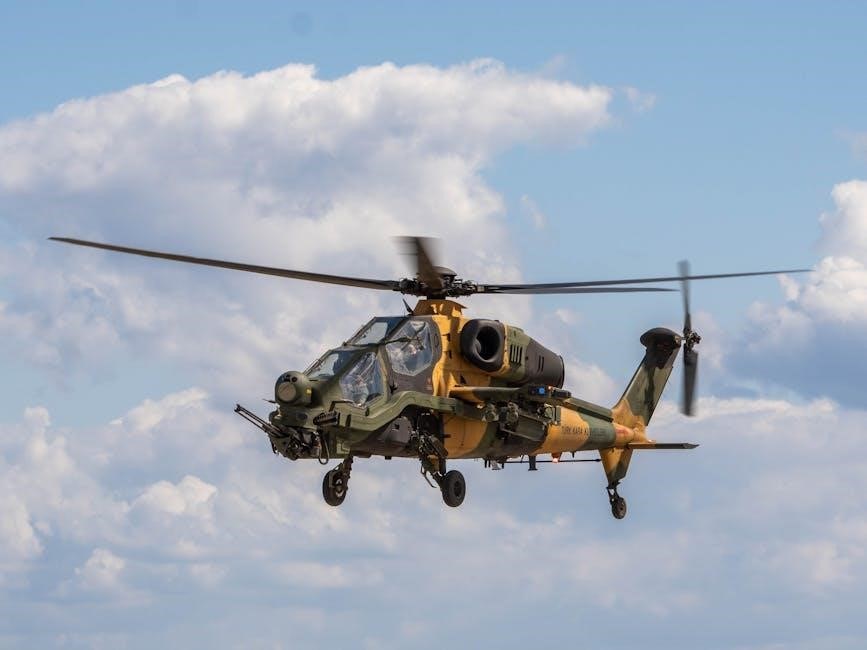
Analysis of leaked technical PDFs and patent filings indicates Kamov is investigating a next-generation reconnaissance/attack helicopter, potentially designated the VK-32. This design emphasizes stealth characteristics and advanced sensor integration. Innovations center around improved rotor blade designs for reduced noise and increased efficiency, documented in several accessible PDFs.
Furthermore, Kamov appears to be developing unmanned coaxial helicopters for logistical support and battlefield surveillance. These platforms would leverage autonomous flight control systems and secure communication links. The Ka-115’s aerodynamic smoothness, as noted in technical documentation, informs these designs. Expect advancements in composite materials and digital flight controls, enhancing performance and reliability.
Challenges and Opportunities for Kamov
Kamov faces challenges in securing funding for new projects, impacting development timelines detailed in available project PDFs. Western sanctions restrict access to advanced components, necessitating indigenous alternatives. Maintaining skilled personnel and adapting to evolving warfare demands are also critical hurdles.
However, opportunities exist in expanding export markets, particularly in Asia and Africa, where Kamov’s coaxial rotor design offers unique advantages. Increased demand for specialized civilian helicopters, like the Ka-32 for firefighting, presents growth potential. Leveraging digital technologies and embracing open-source intelligence, as evidenced by online documentation, can accelerate innovation and enhance competitiveness.
Kamov Helicopter Documentation & Manuals
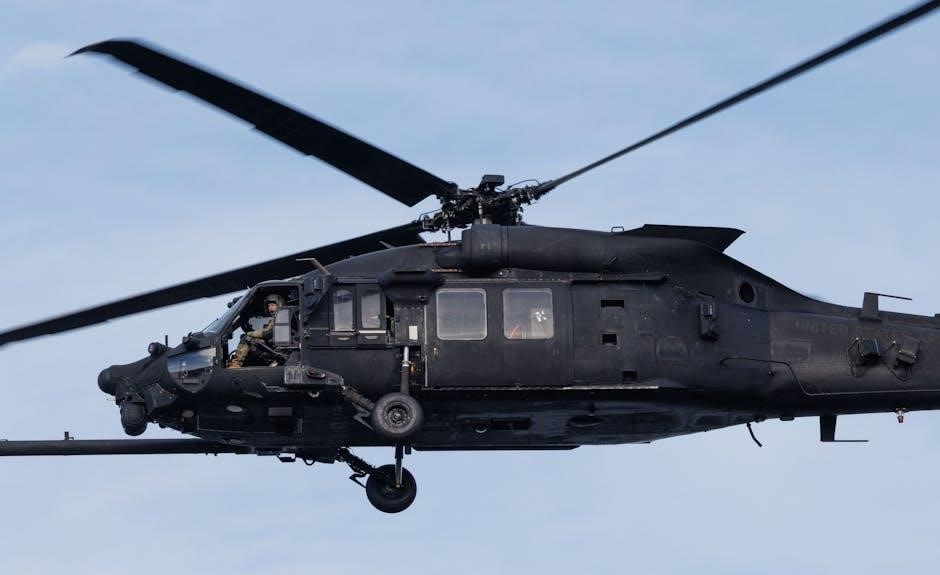
Kamov helicopter technical manuals, like those for the Ka-26, are available as PDFs, offering crucial maintenance and operational information for various models.
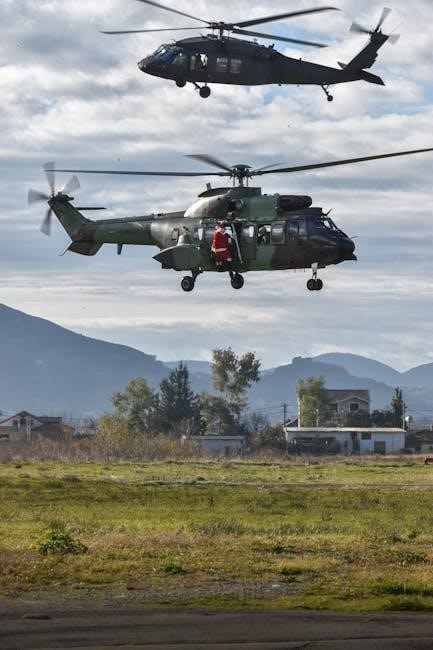
Availability of Technical Manuals (e.g., Ka-26)
Finding comprehensive technical manuals for Kamov helicopters, particularly older models like the Ka-26, often requires dedicated searching. While official sources can be limited, several online platforms offer digitized versions, frequently in PDF format. These resources are invaluable for technicians and enthusiasts alike, providing detailed schematics, maintenance procedures, and operational guidelines.
However, it’s crucial to note that many of these manuals are originally in Russian, necessitating translation for English-speaking users. Complete bundles, encompassing technical documentation, maintenance manuals, and operational guides for helicopters like the Ka-32, are sometimes available for digital download. Accessing these PDFs can significantly aid in understanding the complex systems of Kamov rotary-wing aircraft, supporting both restoration projects and ongoing operational needs.
Accessing Kamov Helicopter PDFs Online
Locating Kamov helicopter PDFs online demands a strategic approach. Specialized aviation forums and online marketplaces frequently host digitized technical manuals, including those for the Ka-26 and Ka-32 series. Websites dedicated to military aviation documentation often compile links to available resources, though verifying the authenticity and completeness of these files is essential.
Search terms like “Kamov helicopter manual PDF” or specific model designations (e.g., “Ka-50 technical documentation”) yield relevant results. Be prepared to encounter manuals in Russian, requiring translation tools for comprehension. Digital download bundles offering comprehensive documentation for various Kamov models are also available, providing a convenient, albeit potentially costly, solution for accessing vital technical information.
Importance of Maintenance Manuals for Operational Readiness
Kamov helicopter maintenance manuals are absolutely critical for ensuring operational readiness and flight safety. These detailed PDFs provide step-by-step instructions for inspections, repairs, and component replacements, adhering to strict engineering standards. Accurate maintenance, guided by official documentation like those for the Ka-26 or Ka-52, minimizes downtime and extends the service life of these complex machines.

Properly maintained helicopters, utilizing the information within these manuals, reduce the risk of mechanical failures and enhance mission effectiveness. Access to current, comprehensive manuals is not merely recommended—it’s a fundamental requirement for any organization operating Kamov helicopters, safeguarding both personnel and equipment.


Leave a Reply
You must be logged in to post a comment.